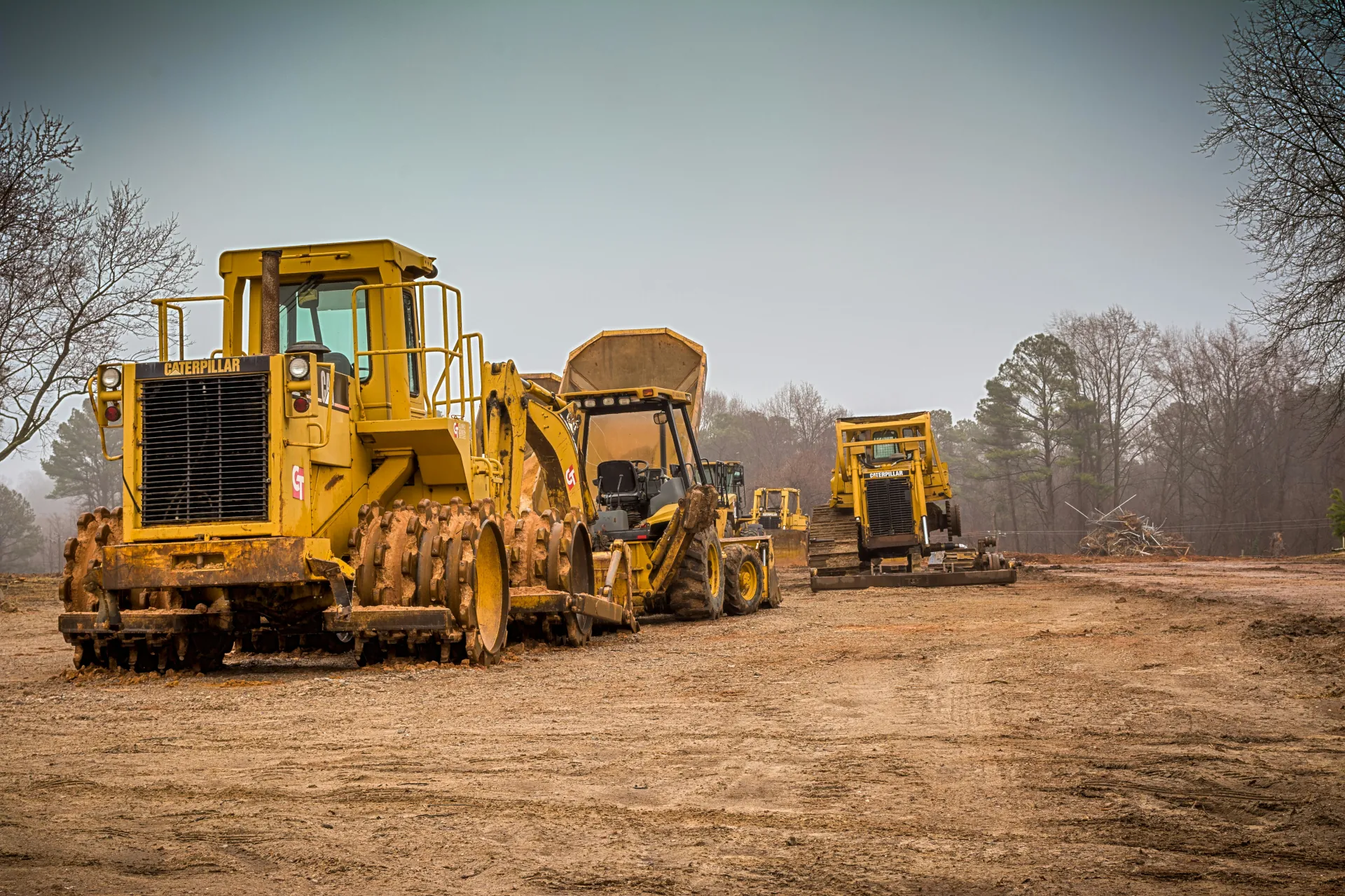
Seven.Fact Named Contractor of the Year
February 20, 2024
Seven.Fact Named Contractor of the Year
We are honored to receive the 2024 Construction Excellence Award from the state's building industry association, recognizing our commitment to quality and safety.
Some experienced gardeners tend to dislike annual plants. This reaction is somewhat understandable, as those who take pride in their gardening knowledge and expertise are often searching for plants that offer long-term value and complexity.
Education is the process of supporting and guiding learning. Through education, the knowledge, skills, values, beliefs, and habits of a group are passed on. Friendly Schools, for example, is a comprehensive, evidence-based, whole-school program that involves the entire school community.
Garden centers typically sell perennials individually in pots, while annuals are often sold in six-packs. These annuals are commonly referred to as “bedding plants” because homeowners and businesses use them to quickly create vibrant flower beds filled with color.
Although they may be considered ordinary by some, annual plants certainly have an important role in landscaping. They provide fast and long-lasting color in areas that might otherwise look bare or unattractive. For instance, a flower bed may look beautiful in spring due to blooming bulbs, but once those flowers fade, the area can appear dull and empty.
This highlights one of the main differences between annuals and perennials. Perennials grown from seed typically do not bloom in their first year, and biennials follow a similar pattern. They have longer life cycles, but they compensate for their delayed flowering by blooming year after year.
Some plants that are technically perennials in their native tropical climates are treated as annuals in colder regions because they cannot survive harsh winters. In such cases, practicality outweighs botanical classification. For example, lantana is botanically a perennial plant, but in northern climates it is grown and treated as an annual because it is not cold-hardy there.
Related Updates
More from our News category


Have Questions?
Reach out to our team for more information about this news or any of our services.